Pest Control: Efficient Techniques to Secure Your Property and Company
Pest Control: Effective Plans to Preserve Your Home and Firm
Opening to Pest Control
Pest Control concerns the management or handling of creatures regarded as pests – life forms that harmfully alter human endeavors or environments. In New Jersey, a place where numerous environments connect with metropolitan and built-up expansion, powerful Pest Control is not solely a indulgence but a requirement for sustaining hygienic residential and professional spaces. From the vast communities of Monmouth County to the unified neighborhoods of Matawan, pest infestations can impact each person, independent of how sanitary or adequately preserved their property may be.
The criticality of utilizing productive Pest Control approaches can't be exaggerated. For property owners, pests can wreck foundational strength, corrupt food sources, and constitute substantial health risks. Organizations deal with these equivalent problems, with the extra unease of reputation destruction and potential deprivation of clients if outbreaks are found. Typical pests in New Jersey incorporate rats and mice like rats and mice, various bugs such as ants, cockroaches, and bed bugs, and the exceptionally ruinous termites that can inaudibly impair a building's base.
The Reason Pest Control Is Important
Health Risks of Pest Control Treatments
Various pests harbor and convey conditions that can harm persons and pets. Rats and mice are recognized transmitters of hantavirus, salmonella, and leptospirosis. Cockroaches can provoke asthma bouts and allergic effects, specifically in youngsters. Ticks, common in New Jersey's forested locations, are famous for conveying Lyme disease, while mosquitoes can pass on West Nile virus and Eastern Equine Encephalitis. Qualified Pest Control supports alleviate these health perils by removing the source of these prospective disease transmitters.
Home Destruction in Pest Control
The framework harm produced by pests can be vast and exorbitant. Termites only produce over $5 billion in home harm annually across the United States, with New Jersey homes being specifically vulnerable due to the state's climate. Vermin can chew through power wiring, causing fire perils, while their constant nibbling can harm padding, pipes, and wood basic components. Even ostensibly safe ants can weaken lumber structures if allowed unprocessed, mainly carpenter ants which are frequent in Monmouth County.
Economic Ramifications of Pest Control Services
Disregarding pest issues can cause considerable monetary ramifications. What can initiate as a trivial problem calling for easy remedy can rapidly expand into a large trouble needing broad correction. For establishments, mainly those in the food business or tourism fields, pest issues can generate flunked health reviews, short-term closures, and long-term injury to reputation and client reliance. Allocating resources in periodic Pest Control is not only about instant satisfaction—it's a prolonged financial defense.
Pest Control: Usual Household and Company Pests
Small Mammals (Rats and Mice)
When it comes to spotting rodent invasions in your New Jersey home, awareness is vital. You can spot dung near food sources, in drawers, or underneath sinks. Chew marks on food wrapping, wooden materials, and power cables are obvious marks of their existence. At nighttime, you may distinguish clawing sounds in barriers, roofs, or underneath floors as these nocturnal beings turn lively. If you uncover homes made from tattered stationery, material, or dehumidified plant matter, that's a distinct sign rodents have set up themselves comfortable. Oily rub marks next to baseboards and walls appear as rodents utilize the similar paths regularly, while your pets may exhibit atypical conduct such as woofing or pawing at areas beneath appliances or possessions where rodents lurk.
Rats and mice in New Jersey homes and organizations form multiple threats above just disturbance. They can contaminate food and preparation areas with microorganisms residing in their urine and droppings. Their persistent necessity to chew can ruin goods, especially cords, which generates fire dangers. In Matawan and adjacent zones, the Norway rat and house mouse are specifically problematic, blooming in both municipal and residential environments. Powerful Pest Control actions are critical to address these harmful invaders.
Invertebrates (Ants, Cockroaches, Bed Bugs)
Insect problems show themselves in various ways based on the variety. Ant troubles become clear when you observe discernible ant trails going to food reserves, or when you detect miniature mounds of ground or wood particles formed by carpenter ants. Cockroach problems often reveal themselves through dark excrement resembling coffee grounds or black pepper, a unique stale odor that penetrates plagued spots, and the occurrence of egg envelopes in covered corners. Bed bug predicaments emerge as rust-colored speckles on mattresses and furnishings, shed skins near resting places, small blood stains on sheets, and irritating red lumps on skin normally arranged in a succession or gathering.
Invertebrates symbolize the most various category of pests in New Jersey. Cockroaches can prompt asthma and sensitivities while transmitting countless bacteria. Bed bugs, while not disease transmitters, generate appreciable distress, sleep disruption, and affective suffering. Specific ant types, like carpenter ants regular in Monmouth County's wooded regions, can create framework harm equal to termites during time. Skilled Pest Control companies can recognize certain insect breeds and put in place specific remedy approaches that address the special behaviors and sensitivities of each pest.
Termites
Spotting termite existence early necessitates being aware of the delicate indicators of their presence. You perhaps notice abandoned wings near portals and entries after swarmers have located a mate and instituted a new group. Mud tubes on external walls, timber beams, or in crawl cavities operate as sheltered highways for these destructive critters. Wood that rings unfilled when knocked signals termites have been feeding from internally. Access points and windows that unexpectedly adhere may demonstrate deforming from termite harm, while split or inflating paint similar to water damage often covers termite activity underneath. Discovering frass—termite droppings similar to little wood-colored particles—delivers another validation of their undesired manifestation.
Termites establish perhaps the most substantial structural menace among all prevalent pests. In New Jersey, the Eastern subterranean termite is common and particularly harmful. These bugs can continue unsensed for durations while inflicting significant damage to lumber framework pieces. Homes in Matawan and throughout all of Monmouth County, principally older structures, are exposed to termite infestations. The normal expenditure of term pest control.
Pest Control Safety Considerations
Safe Use of Pesticides and Chemicals in Pest Control
As pesticides become needed in your pest control strategy, prioritizing safety requires consideration to various crucial procedures that shield persons, companions, and the surroundings. Continuously study and adhere to product directions exactly, as these legal guidelines show comprehensive evaluation and official evaluation created to minimize hazards. Utilize the smallest efficient amount of pesticide to achieve management while limiting unnecessary chemical introduction into your home environment. Apply chemicals only in zones indicated on the product instructions, eliminating off-label treatments that may create unexpected dangers or decrease performance. Use proper protective gear as specified by chemical companies to stop direct exposure during use. Maintain substances in their original bottles with directions preserved to preserve entry to protection details and stop misidentification. Keep detailed records of all uses, noting chemicals used, mixing levels, spots applied to, and schedules of treatment for future reference. Permit sufficient setting and Capitol Exterminating System pest control service NJ airflow before reoccupying serviced areas, specifically important in New Jersey's weather where dampness can influence setting times. Evaluate reduced-risk alternatives when successful, as improvements in pest elimination have created many reduced-risk alternatives that maintain efficacy while decreasing possible hazards.
Shielding Companions and Kids During Pest Control Treatments
Particular steps turn crucial when performing pest control treatments in residences with at-risk family occupants. Remove animals while performing application and until areas are dry to stop direct exposure with wet substances or fumes that could cause harmful responses. Protect or move pet food, drinking dishes, and toys before treatment to avoid pollution that could result in inadvertent eating. Keep children's items away from service locations, specifically objects that young kids might place in their mouths. Sanitize and sanitize meal preparation counters after application, even if they weren't immediately serviced, to remove any leftovers that might have settled during application. Maintain young ones apart from applied locations for the suggested time, extending this period for mobile toddlers who have increased direct interaction with floors and lower surfaces. Consider animal-friendly and child-safe substance choices when available, as many recent chemicals focus on specific pest biology while decreasing mammalian harm. Most importantly, advise professional technicians about the occurrence of animals, kids, or pregnant household individuals before they design application strategies, enabling them to adapt techniques and product choices appropriately.
Official Standards and Compliance with Pest Control
Pest control in New Jersey functions within a official framework designed to defend public safety and the environment while guaranteeing successful pest control. The New Jersey Department of Environmental Protection manages pest management activities, requiring qualified pest elimination firms to fulfill certain requirements. Companies must utilize certified technicians who have cleared official assessments showing skill in pest study, treatment methods, and security standards. These companies must preserve adequate coverage coverage safeguarding both their specialists and their clients from potential injury or injuries related to pest elimination operations. Stringent requirements control chemical warehousing, transport, and disposal to stop natural pollution and improper access. Technicians must offer Safety Data Sheets upon request, documenting the properties and dangers of chemicals used in applications. Notification rules pertain for certain treatments, particularly in multiple-unit structures or commercial locations with multiple inhabitants. Complete service notes must be maintained, building an review trail of pest elimination procedures. Also, only chemicals authorized for employment in New Jersey may be lawfully employed, ensuring that area environmental conditions and environments have been examined in the licensing process. For commercial buildings in Matawan and throughout Monmouth County, additional rules may apply relying on the field, particularly for food business, healthcare, and daycare facilities where pest control connects with additional general wellness concerns.
Green Pest Control Choices
Unified Pest Management (IPM) System
Unified Pest Control represents the premium benchmark in contemporary pest control, emphasizing on long-term protection through a blend of strategies that reduce environmental influence while increasing efficiency. The IPM system initiates with thorough inspection and tracking to pinpoint pest presence exactly, forming baseline information about species found and number levels. This leads to correct identification of pest types, making certain management work focus on particular habits and exposures rather than implementing broad treatments. Practitioners set level quantities that require action, recognizing that the plain occurrence of a few pests doesn't always need intervention if numbers stay less than harmful thresholds. When intervention grows required, IPM implements various control techniques in coordination, usually beginning with minimal-risk methods and progressing only when necessary. Throughout the process, experts examine success and adapt strategies as necessary, forming a dynamic approach flexible to varying situations. Most crucially, IPM focuses on deterrence over elimination, tackling physical and ecological elements that encourage pest communities rather than simply eradicating active insects. Many pest control organizations in New Jersey provide IPM-based treatments that match with the state's drive toward reduced-risk pest treatment procedures, notably in critical areas like schools, health establishments, and nutrition manufacturing centers.
Non-Chemical Control Strategies
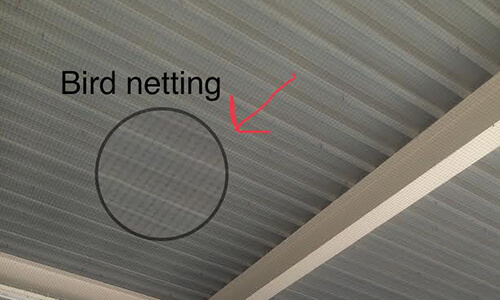
Successful pest control often combines non-chemical methods that can solve or decrease pest concerns without introducing products into the surroundings. Physical obstacles such as mesh, door seals, and closing prevent pest invasion entirely, dealing with the concern at its source. Direct methods like catches and barrier equipment extract active insects while preventing new entries. Living approaches containing beneficial organisms and microorganisms add organic predators that aim at specific pests while preserving helpful creatures undamaged. Environmental techniques change the environment to repel creatures, such as altering water routines to minimize moisture that lures some bugs. Environment adjustment minimizes shelter and nutrition resources, creating areas decreased attractive to troublesome guests. For certain pests like bedbugs, temperature applications offer exceptionally successful treatment without toxic leftovers by increasing heat over the heat killing threshold for all life phases of the specific pest. Similarly, refrigeration approaches for warehoused commodity creatures like food beetles or pantry pests can destroy infestations in nutritional goods without synthetic contamination. These strategies prove particularly useful in New Jersey's diverse environments, where proximity to aquatic bodies, preserved natural areas, and heavy community centers generates multiple situations where pesticide decrease grows beneficial or necessary.
Environmentally-Friendly Pest Control Control Methods
The pest control business continues to progress toward additional environmentally-friendly procedures that keep efficiency while minimizing ecological influence. Organic products extracted from natural essences like chrysanthemum extract, neem oil, and essential compounds offer focused treatment with decreased duration in the environment. Microbial treatments including microorganisms, fungi, or organisms that target particular pest creatures deliver specificity that typical general products can't compare to. Growth controllers that stop pest breeding by interrupting with life cycle processes deliver lasting quantity suppression without instant toxic effects on adult insects. Scent systems that observe or disrupt pest reproduction aid figure out when intervention becomes needed and can avoid mating in specific types. The business more and more adopts reduced-risk products with limited environmental impact, shifting away from conventional compounds with broader influences on unintended life forms. Accurate treatment systems that decrease overall chemical use provide procedures directly where necessary rather than broadcasting products throughout large zones. Environmental approval initiatives for pest treatment firms set requirements for naturally favorable care and supply clients with obvious marking of providers devoted to environmentally-friendly practices. In environmentally sensitive zones of New Jersey, encompassing parts of Monmouth County with nearness to liquid systems, these green approaches are notably important for defending both human safety and natural systems while continue to delivering productive pest treatment.
Finding a Local Pest Control Service Provider in New Jersey
Capitol Exterminating System
272 NJ-34
Matawan, NJ 07747
(732) 441-1900
Frequently Posed Questions (FAQs) about Pest Control
How frequently should pest control be done?
For the majority of New Jersey properties, four times yearly pest control offers proper defense against seasonal pest pressures. This timing matches with the local distinct cycles, each bringing various pest problems that require preventive care. Spring procedures commonly deal with arising ant communities and dormant insects turning energetic. Summertime procedures emphasize on mosquitos, ticks, and different winged bugs that prosper in elevated temperatures. Cool season procedures set up homes for rodents and sheltering organisms seeking protection as conditions decrease. Winter applications keep defense against indoor pests while tackling mouse and rat pressure at its greatest. However, this rate may grow for properties with specific danger conditions or active issues that demand additional rigorous treatment. Houses adjacent to natural regions in Monmouth County may profit from supplementary parasite and mosquito treatments during peak times. Properties with record of specific pest concerns regularly demand targeted subsequent treatments past the typical four times yearly frequency. Commercial facilities, notably restaurant business facilities in regions like Matawan, regularly need regular treatment to keep conformity with health requirements and prevent invasions that could injure credibility and enterprise functions.
Is qualified pest control harmless for animals?
When conducted accurately, expert pest control can be protected for pets through thoughtful chemical choice and application procedures that decrease access. Contemporary focused employment approaches and reduced-risk chemicals have substantially upgraded wellness profiles against previous pest handling strategies. Contemporary services regularly utilize mixtures explicitly engineered to have reduced toxicity to animals while continuing successful against target pests with distinct physiologies. Professional specialists acquire training in treatment procedures that locate substances in areas companions can't access, such as interior spaces, cracks and gaps, or beneath machines. Nevertheless, pets should be removed during procedure and until all services have set entirely, obeying particular pause intervals suggested by the product manufacturer and professional. Fish containers should be covered and air pumps shut down while performing treatment to stop pollution from floating debris. Pet items containing sleeping areas, items, and feeding equipment should be taken away or shielded while performing service. Discuss any issues with your pest control service, who can suggest suitable pause intervals depending on the particular procedures employed and modify methods for households with specifically vulnerable animals like birds or reptiles that may have distinct physiological vulnerabilities than felines and canines.
What are the symptoms of a serious pest problem?
Beyond visible creatures themselves, multiple alert indicators suggest potentially severe problems needing urgent pest control intervention. Odd odors often develop with significant issues – stale, greasy aromas may show mice and rats, while sugary, distinctive scents sometimes follow German cockroach colonies. Unknown structural harm like sinking floors, rising surface, or crumbling timber may expose wood-destroying insect infestation or carpenter ant problems damaging support elements. Unusual activity within structures or lofts, specifically at nighttime, commonly indicate mouse and rat behavior as these evening pests get active in hidden areas. Excessive particles similar to small wood particles around lumber elements may actually be excrement or feces from lumber-eating pests. Some residences experience unexplained physical problems like breathing difficulties or irritation that resolve when gone from home, probably revealing insect infestations influencing indoor atmosphere purity. In New Jersey homes, special focus should be devoted to lower level and crawlspace spaces where moisture troubles can sustain pest communities, especially in mature properties throughout Monmouth County where structural splits and failing material create numerous penetration locations. Encountering numerous deceased insects of the identical variety implies a more extensive colony in the area, while residue signs near trim indicate confirmed mouse and rat trails with ongoing use.
Can I stop organisms without pest control substances?
Indeed, numerous organisms can be prevented through correct hygiene, exclusion, and environment modification without employing pesticide methods. The basis of natural pest control starts with complete blocking work – sealing openings, gaps, and access points that permit insects to invade properties in the initial spot. Placing door sweeps, mending damaged filters, and blocking service openings stops usual entry places. Taking away nutrition resources through appropriate meal containment in sealed vessels, immediate elimination of drops and bits, and frequent trash removal substantially reduces magnets that draw organisms indoors. Reducing water by repairing flowing pipes, improving air circulation in wet zones, and addressing water removal problems removes the water resources multiple creatures need. Maintaining a space area encircling homes by pruning greenery, removing organic debris, and storing firewood raised and separate from buildings reduces refuge zones and penetration spots. Using physical barriers like copper wire or metal material to stop more significant spaces provides permanent barrier protection for small mammals and rodents. Frequent maintenance that features removal gaps and gaps eliminates bug larvae and nutrition particles that maintain pest development. For active problems, though, some form of management agent may be necessary to fix developed concerns, though multiple minimal-impact options are offered containing diatomaceous dust, boron powder, and bug-eliminating cleaners that offer minimized danger relative to typical pesticides.

What should I look forward to during qualified pest control procedure?
A specialist pest control service generally begins with a detailed examination to recognize pest kinds, invasion places, and conducive situations relating to the trouble. The expert should take attention inspecting both inside and external zones, devoting special focus to cooking areas, bathrooms, basements, and boundary bases where pest activity regularly concentrates. Upon completing this evaluation, the professional should clarify their discoveries in thoroughness and suggest a service strategy designed to your individual situation, discussing both the intended creatures and the procedures proposed for handling them. You may be given readiness guidelines before procedure, potentially involving moving items, emptying particular zones, or protecting pets. Throughout the application, the specialist will employ correct materials to focused zones based on the pest varieties found, concentrating on cracks, gaps, and pest refuge zones rather than scattering services throughout full regions. They may place monitoring equipment like creature snares or bait devices that aid follow development and deliver ongoing safeguarding. After ending applications, a expert should explain any subsequent guidelines such as air circulation requirements, occupancy durations, or spaces to sanitize. Before departing, they should plan additional treatments if necessary for particularly persistent creatures like sleeping pests or German cockroaches that usually require multiple services for full removal. Throughout this process, experts should welcome inquiries and supply clear information about the products and techniques applied, reflecting their preparation and devotion to both success and wellness.
Successful pest control is an crucial part of sustaining healthy, secure dwelling and working spaces in New Jersey. From the humid summers that produce mosquitos and parasites to the frigid times when mice and rats seek refuge within, pest pressures stay a year-round concern for homeowners and enterprises in Monmouth County and Matawan. By understanding typical creatures, implementing precautionary measures, and recognizing when to seek professional help, structure operators can defend their properties and the health of tenants.
Adopting a forward-thinking system to pest control is consistently additional productive and affordable than responding to existing infestations. Frequent inspections, correct care, and tackling small issues before they expand can prevent the considerable costs and disturbances related with significant pest concerns. When qualified support becomes necessary, choosing a trustworthy, certified pest control provider who applies comprehensive pest control principles guarantees productive achievements with reduced surrounding impact.